‘The Proposed Children’s Wellbeing and Schools Bill – impact on faith communities’
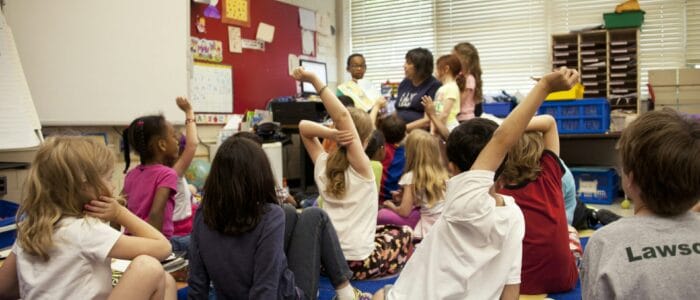
The Children’s Wellbeing and Schools Bill is a landmark piece of UK legislation aimed at putting children’s welfare at the heart of education and social care. It came to public attention when a petition signed by 166,496 people sparked a parliamentary debate.
Introduced in late 2024, the Bill seeks to ensure that every child, particularly those from vulnerable backgrounds, has access to nutritious meals, safe schooling, and proper support when in care of educational settings.
The Bill also introduces measures affecting schools, from attendance and inspection rules to oversight of independent and home education. While the Bill is seen by many as step toward reducing inequality and safeguarding children, others raise concerns about its impact on school autonomy, home education, and faith-based schooling, making it one of the most discussed education reforms in recent years.
The petition urged the government to withdraw the bill, claiming that it undermines educators and parents and that it may cause more harm than good for children and their educational opportunities.
One of the hottest topics is Elective Home Education (EHE). The most recent figures, taken during autumn 2024, saw local authorities report 111,700 children in EHE. This is an increase from an estimated 92,000 in the previous autumn term. Data from the Department of Education (DfE) shows that the top three reasons parents choose to home educate are concerns about the school environment, their child’s special educational needs or learning style, or lifestyle, philosophical, or religious beliefs.
So, how does it all affect people of faith?
“Parents have the primary responsibility to raise the next generation; schools must not replace this role but should support it. While the highest standards of safeguarding must investigate and protect those in cases of genuine concern, the default presumption should be that parents have the ultimate responsibility and authority in their children’s education.” – Association of Christian Teachers
A prime concern is that by imposing additional rules and regulations, the Bill will make it more difficult for parents to home-educate their children, regardless of their motivations for doing so; bureaucratic “hoops and hurdles” could discourage families or even make home education impractical for many, regardless of their faith. There is also a warning that the Bill is in fact an attempt to address perceived risk of Islamist radicalisation outside of mainstream school settings.
Other reservations are more faith specific. Conservative Peer, Lord Wei, earlier this year, for example, said that the Bill amounts to “an unprecedented intrusion into family life”, warning that the Bill is in part an attempt to address perceived risk of Islamist radicalisation outside of mainstream school settings, and that Muslim communities are being “treated with suspicion” through these measures.
Jewish families who combine yeshiva study with home education may face increased oversight, raising concerns about administrative burdens and government interference in religious education. At present, the Bill seeks to expand the definition of independent education institutions to include yeshivas, deeming them places where children receive full-time schooling, regardless of what is taught. Most currently operate as religious institutions alongside home education, but the Bill would require them to register as independent educational institutions, which would potentially lead to closures. Rabbi Asher Gratt, president of the British Rabbinical Union, stated that “It could force communities to compromise their deeply held beliefs or face legal consequences”.
Safeguarding the wellbeing and safety of children is of fundamental importance and must remain a priority in any educational setting. At the same time, it is important to recognise the rights of all parents to make choices about their children’s education, and the value of maintaining religious and cultural practices. Policies should balance these considerations, ensuring that children are protected while allowing families the freedom to provide education in a manner that they feel is best for their child.
The Bill is not yet law, so no changes have come into force as yet, and is currently with the House of Lords. It is possible that amendments may be discussed at this point, before the Bill comes into force.
What do you think about the Children’s Wellbeing and Schools Bill? Have you or your community been affected by the issues it raises? Let us know if you have a story to share by emailing info@faithaction.net