
Budget 2024
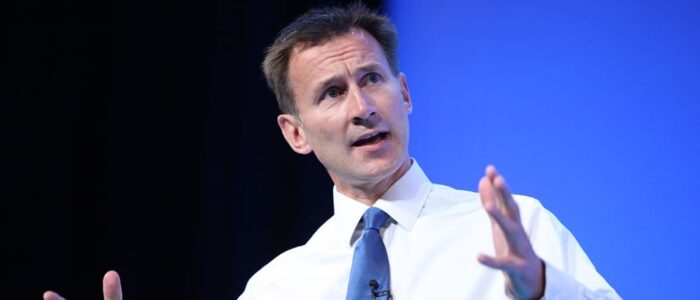
Much has been written about this budget already – even before the Chancellor got up to speak on Wednesday afternoon. Given that it’s possibly the final time this government will be delivering a financial statement before the next election, there has been a lot of speculation as to what the measures would be (unless the election is postponed until after an Autumn statement – watch this space).
So many questions have emerged over the past few days, along with leaks and rumours: will Jeremy Hunt be lowering taxes? Will there be provision for personal credit and borrowing? How will it affect small businesses? How will it affect charities? Will it curb inflation?
What does the budget mean for me?
There is a moment after every budget when the nation holds its breath, while pundits, think tanks and journalists try to work out the implications of it.
Key Measures
National Insurance Cut: this measure reportedly saves the averageworker £450 per annum. (No change to income tax at present). The Institute for Fiscal Studies thinks this will benefit those who earn between £25k and £50k. But the OBR argues that average incomes will be the same as in 2019.
Non-Dom tax: a new regime is coming in 2025. Watch this space.
£90 fee to obtain a Debt Relief Order scrapped: This will be significant for debt advice charities.
The earnings threshold for child benefit was raised to £60,000, from £50,000.
Government support measures for people struggling with the Cost of Living to continue for another 6 months (the Household Support Fund). This goes against the hopes of debt relief charities, who were calling for a 2 year extension.
OBR predicts economic growth by 2% in 2026.
Threshold at which small businesses must register to pay VAT raised from £85,000 to £90,000 from April – this could be significant for some small businesses.
£1m for a memorial to honour Muslims who fought for Britain during World Wars One and Two.
There doesn’t seem to be a lot for faith charities to get their teeth into. Granted, many of our members work in the area of debt relief, so they will welcome the extension to the HSF, and the removal of DRO fees. Otherwise, apart from the VAT change (which may not affect charities anyway, we shall see) there doesn’t appear to be much to chew over.
Doubtless the implications will be unveiled in the ensuing days and weeks.
Commentators say that it is now very likely that we will have a late election in 2024, which would possibly give Jeremy Hunt another opportunity to make more dramatic concessions to the electorate in an Autumn statement.