Resources about Health and care

Browse the variety of publications, research and toolkits we've produced so far.

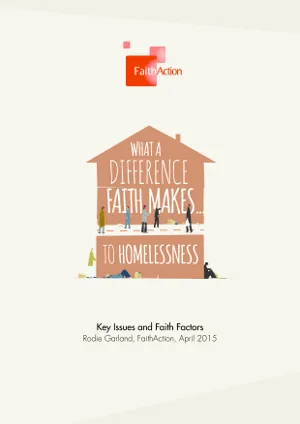
What A Difference Faith Makes… to Homelessness!

Homelessness is a public health issue. Physical and mental health problems can be caused or exacerbated by homelessness or poor quality housing; they can also, in some cases, lead to a person losing their home. For many years, faith groups in this country have worked to offer food and shelter to those without either, to help people find – or keep – their home, and to meet their other needs along the way. This report aims to uncover some of the issues that faith-based organisations are facing in their work on homelessness, and to highlight some of the innovative activity that is taking

Roundtable Discussion on Foetal Alcohol Spectrum Disorder

FaithAction is a network of faith and community organisations involved in social action. We became interested in the issue of Foetal Alcohol Spectrum Disorder (FASD) through one of our member organisations, FASD Network UK. FASD is relevant to faith groups for two reasons: firstly, it is estimated that as many as 70% of children in care have FASD, and there are many carers who are members of faith groups. Secondly, faith and community groups, through their social action work, may be offering support to families experiencing problems with alcohol or affected by FASD.

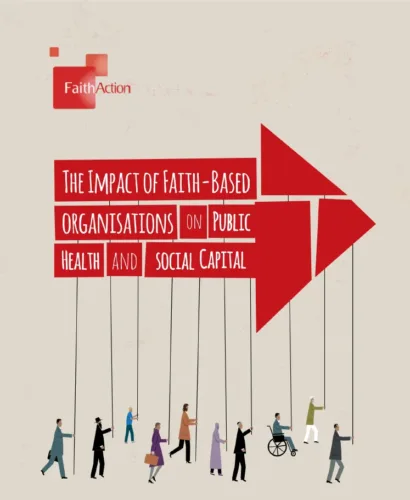
The Impact of Faith-Based Organisations on Public Health and Social Capital

This report focuses on the particular space that faith-based organisations (FBOs) inhabit within the third sector in their potential for helping to address these issues. It first outlines their considerable reach within the population, and the current recognition of that reach within policy. The Outcomes Framework provides a clear mandate for faith groups, as part of the voluntary sector, to recognise their unique position in society and to take seriously their responsibility to contribute to improving public health. However, the extent to which local and national government policy recognises the specific potential of faith groups as partners in improving health and

Share this via